
Oratane Product Information
Oratane Product Information
This information is intended to provide patients with general guidance on the use of Oratane. Your doctor and pharmacist can provide more complete and detailed information about this medicine.
If you have any questions or concerns before, during or after treatment, please consult your doctor.

Before isotretinoin
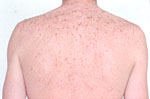
After isotretinoin
1. What is Oratane?
Oratane 5 mg, 10 mg and 20 mg capsules contain the active ingredient isotretinoin, a substance related to vitamin A.
Other ingredients include hydrogenated soybean oil, DL-alpha-tocopherol (vitamin E), disodium edetate, butylated hydroxyanisole, partially hydrogenated soybean oil, yellow beeswax and hydrogenated vegetable oil.
The capsule shell contains gelatin, glycerol, 70% sorbitol solution (non-crystallising), Ponceau 4R CI 16255 and titanium dioxide.
The 5 mg and 10 mg capsule shells also contain black iron oxide CI 77499, while the 20 mg capsule shell contains indigo carmine CI 73015.
Oratane 5 mg capsules are soft, oval-shaped, opaque pale capsules containing a yellow/orange liquid.
Oratane 10 mg capsules are soft, oval-shaped, opaque pale pink capsules containing a yellow/orange liquid.
Oratane 20 mg capsules are soft, oval-shaped, opaque reddish-brown capsules containing a yellow/orange liquid.
2. What is Oratane used for?
Oratane capsules are used for the treatment of severe acne.
They work by reducing the amount of oily substance produced by the sebaceous glands.
3. When must Oratane not be taken?
Oratane can cause problems with fetal development and must not be taken by women who are pregnant or planning to become pregnant.
If you are pregnant, think you may be pregnant, or are planning a pregnancy, you must tell your doctor.
It is very important to make sure that you are not pregnant before starting Oratane.
Strict contraception must be used for at least one month before starting Oratane, throughout the treatment period, and for at least one month after stopping treatment.
You should start taking Oratane on the second or third day of your next menstrual period.
If you become pregnant while taking Oratane, stop taking the medicine immediately and inform your doctor.
You must not take Oratane if:
- You are breastfeeding
- You are allergic to any of the ingredients in Oratane
- You are taking tetracycline antibiotics
- You have severe liver or kidney disease
- You have excessively high levels of vitamin A
If you have any concerns, please consult your doctor.
4. When should special care be taken while using Oratane?
Make sure your doctor knows if you have:
- Diabetes
- High blood lipid levels
- Liver disease
- Any other medical condition
- Any allergies
- Plans to undertake intensive physical exercise
- Any other medicines that you are currently taking, including medicines not prescribed by your doctor
This is important because taking more than one medicine at the same time may increase or reduce the effects of the medicines.
Do not take other medicines or use other acne creams or ointments unless you have informed your doctor and received approval.
While taking Oratane, you should avoid vitamin supplements containing more than 2,500 IU of vitamin A. If you are unsure, ask your doctor or pharmacist.
Your skin may become more sensitive to sunlight while taking Oratane, which may increase your risk of sunburn. Avoid excessive sun exposure and use sunscreen.
Do not donate blood until at least one month after stopping treatment.
If you experience side effects such as headache, nausea, vomiting or visual problems while taking Oratane, stop taking the medicine and consult your doctor as soon as possible.
Oratane does not usually affect your ability to drive or operate machinery. However, reduced night vision or other visual problems may occur. Make sure Oratane does not affect your vision before driving or operating machinery.
5. Can Oratane be taken during pregnancy or breastfeeding?
Oratane must never be taken during pregnancy or while breastfeeding.
If you are pregnant, may be pregnant, think you may be pregnant, or are planning a pregnancy, you must inform your doctor.
Oratane must not be used in these situations because it may harm an unborn baby.
6. How should Oratane be taken?
Always take Oratane exactly as instructed by your doctor.
Your doctor will determine the appropriate dose based on your condition and body weight. The dose may be adjusted depending on how you respond to treatment.
During the first few weeks of treatment, your acne may initially become worse before it begins to improve.
Oratane treatment usually lasts 16 to 20 weeks. A second course may sometimes be necessary.
Swallow each capsule whole with water or another non-alcoholic drink.
Do not chew, suck or open the capsule.
If you forget a dose, do not take a double dose to make up for it. Simply take your next dose at the usual time.
Do not change your dose unless instructed by your doctor.
If you feel the medicine is too strong or too weak, tell your doctor.
Please note that Oratane cannot improve scars or pitted acne marks that were already present before treatment began, although it may help reduce the risk of future acne-related skin damage.
Do not give Oratane to family members or friends, even if their symptoms appear similar to yours. Oratane has been prescribed specifically for you.
7. What should I do if I take too much Oratane?
If you take more Oratane than prescribed, contact your doctor or go to the nearest hospital immediately.
8. When and how does Oratane treatment end?
Oratane treatment usually lasts approximately 16 to 20 weeks.
By the end of this period, most of your acne should have cleared. Many patients continue to notice further improvement in their skin even after treatment has stopped.
If your acne returns and your doctor prescribes Oratane again, you may undergo another course of treatment.
9. What are the possible side effects of Oratane?
In addition to its intended effects, Oratane may cause side effects even when taken as directed.
The most common side effects are dryness of the lips, mouth, nose, eyes and skin.
Moisturising lotion or petroleum jelly may be used around the nostrils, on the lips and on areas of skin not affected by acne.
Other possible effects include:
- Bone and muscle stiffness
- Peeling of the palms and soles
- Skin infections
- Tiredness
- Headache
- Increased sensitivity to sunlight
- Eye problems
Because Oratane may cause dry eyes, contact lenses may become uncomfortable during treatment. You may need to wear glasses instead. Lubricating eye drops may help relieve dry eyes.
Some patients may experience thinning of the hair.
These side effects are usually mild and may be related to the dose. Most side effects improve within days or weeks after the dose is reduced or treatment is stopped.
Rare side effects associated with Oratane may include:
- Bleeding gums
- Weight loss
- Irregular menstrual periods
- Numbness or tingling
- Dizziness
- Blurred vision
- Depression
If you have diabetes, or if your doctor believes you may have diabetes, your blood glucose levels may need to be checked during treatment.
Any side effects experienced during treatment should be reported to your doctor. In some cases, your doctor may reduce the dose or stop treatment.
If you are concerned about any side effects, consult your doctor.
10. How should Oratane be stored?
Keep Oratane in its original packaging and out of the reach of children.
Store in a cool, dry place below 30°C.
Do not store Oratane in:
- The bathroom
- On a windowsill
- A vehicle glove compartment
- A refrigerator
- A freezer
Do not use Oratane after the expiry date shown on the packaging.
Oratane has been prescribed specifically for you and must not be given to anyone else under any circumstances.
11. What pack sizes are available?
Oratane is available in 5 mg, 10 mg and 20 mg strengths, with 60 capsules per pack.